The work is hard enough. Your workplace shouldn't make it harder.
Deming-Rivers Social Club provides nonprofit organizations in Sarasota, Manatee, Charlotte and DeSoto counties with strategies for effective collaboration, with the tools to transition from cultures of depletion to environments of psychological safety, building organizations where people feel held, heard, and motivated to stay.
The sector is struggling, but not because people don't care enough. It's because our systems usually aren't built to help the helpers.
of nonprofit leaders are concerned about their burnout
87%
say burnout is actively affecting their staff right now
90%
of people who quit their jobs did so because of excessive workloads and burnout
59%
say they've had difficulty filling staff vacancies in the past year
64%
You didn't get into this work to spend all your time managing the fallout from it.
But here you are. Holding the team together, covering the gaps, translating leadership to staff and staff to leadership — and somewhere in the middle, wondering how much longer you can keep doing it this way.
The constant turnover, sitting through tense meetings where no one says what they mean, and watching talented people leave because they're exhausted has left you disconnected from why you do this work in the first place.
But, that's what happens when culture capacity is low.
This isn't a staffing problem. It isn't a communication problem. It isn't a "we just need a team-building day" problem.
It's a culture problem. And culture is either built on purpose or built by default — but it's always being built. What's yours building toward right now?
The silence that used to be honesty: When upward feedback disappears, fear has usually taken its place. You're operating with hidden mistakes, ethical risks, and avoidable crises that nobody wants to be the one to name.
The turnover you saw coming: High unscheduled PTO and sudden resignations are the nervous system saying the stressors have exceeded the supports. It's not work ethic. It's a system that keeps asking more than it gives back.
The exhaustion nobody's naming: Not burnout enough to quit. Not okay enough to stay fully. Your best people are running at a deficit, and everyone has quietly agreed to pretend that's normal.
The values that stop at the poster: Culture is not what the handbook says. It's what people feel when no one's watching — in the meeting where everyone "agrees," in the unspoken rule that rest has to be earned.
You know that saying, “time heals all wounds?”
Well, when it comes to org culture, that couldn’t be further from the truth.
In fact, avoidance accumulates interest and ALWAYS sends an invoice. So, if you put off culture work because it’s not a huge problem, you’ll probably end up paying for it with…
Our Services
We work in three lanes — and most organizations need all three at some point, not always at once. We meet you where the pain actually is and build from there.
lane 1
Discover & diagnose
You can't fix what you can't see — and most orgs are too close to it to see clearly. We come in, listen, look at the data, and translate what people are feeling into what the organization can actually do about it.
-
A quick needs assessment to figure out what's actually happening — before you spend money on the wrong intervention. Think of it as getting oriented before you get to work.
Good starting point
-
The full culture audit plus a roadmap. We go deep — surveys, conversations, observation — and come back with a clear picture of what's working, what isn't, and what to do about it.
For orgs ready for clarity
lane 2
Train & transform
Practical, lived-in skill-building that changes how people lead, communicate, and make decisions — on Tuesdays at 2:14pm, in real meetings, under real stress. Not theory. Not inspiration. Tools that actually work.
-
One high-impact session built around the specific issue your team is navigating. Conflict, feedback, capacity, psychological safety — we make it concrete, not conceptual.
A single session
-
Two sessions with integration support in between. Enough space for real skill-building — not just awareness, but practice and follow-through that sticks after we leave the room.
Most popular
lane 3
Sustain & support
The work doesn't stop when the session ends. We help you implement and maintain the changes so they don't disappear the moment crisis pace returns — because it will return, and the system needs to be ready.
-
Ongoing implementation support for returning clients. The work doesn't stop when the sessions do — this is how you make sure the change actually holds when things get hard again.
For returning clients
-
Have a project, program or other initiative you want us to join? Let’s discuss how we can support your org’s work!
The Culture Capacity Framework
-
Relational Integrity
This domain looks at the health of your team's interpersonal dynamics. Do people feel safe to speak up? Do they know how to repair conflict? Can they ask for help without fear of judgment? We explore how honesty, empathy, and co-regulation function across your team, and how your culture handles both closeness and discomfort.
-
Structural Alignment
This domain looks at the link between your stated values and your organizational reality. Do your systems support clarity or confusion? Are responsibilities known or assumed? Are values embedded in day-to-day decision-making or just listed on a website? We assess how well your structure holds up under pressure and whether it makes it easier—or harder—for people to do the work well.
-
Sustainable Capacity
This domain looks at how your organization metabolizes stress. Are there ways to pause and reset? Does emotional labor fall on just a few people? Do staff know how to regulate, reflect, and recover as a group? We examine whether well-being is supported proactively or only after people crash, and what systems are (or aren't) in place to help people stay well.
-
Proactive Empowerment
This domain looks at how much voice and agency people have in shaping their work. Do staff feel like they can lead from where they are? Are people encouraged to offer dissent, or do they hold back? Is initiative supported by clear expectations and structure? We pay attention to whether people feel confident contributing—and what might be getting in the way.
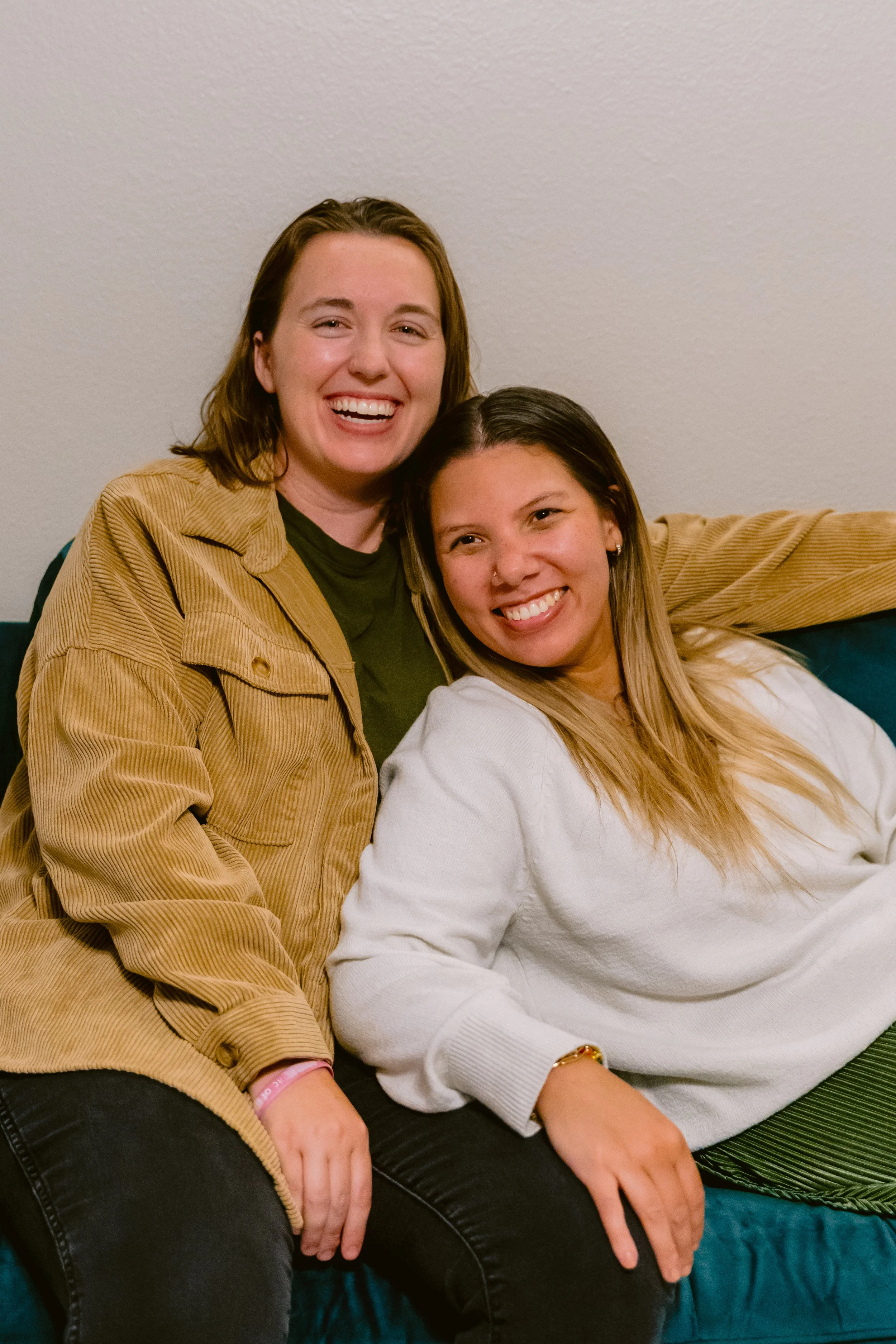
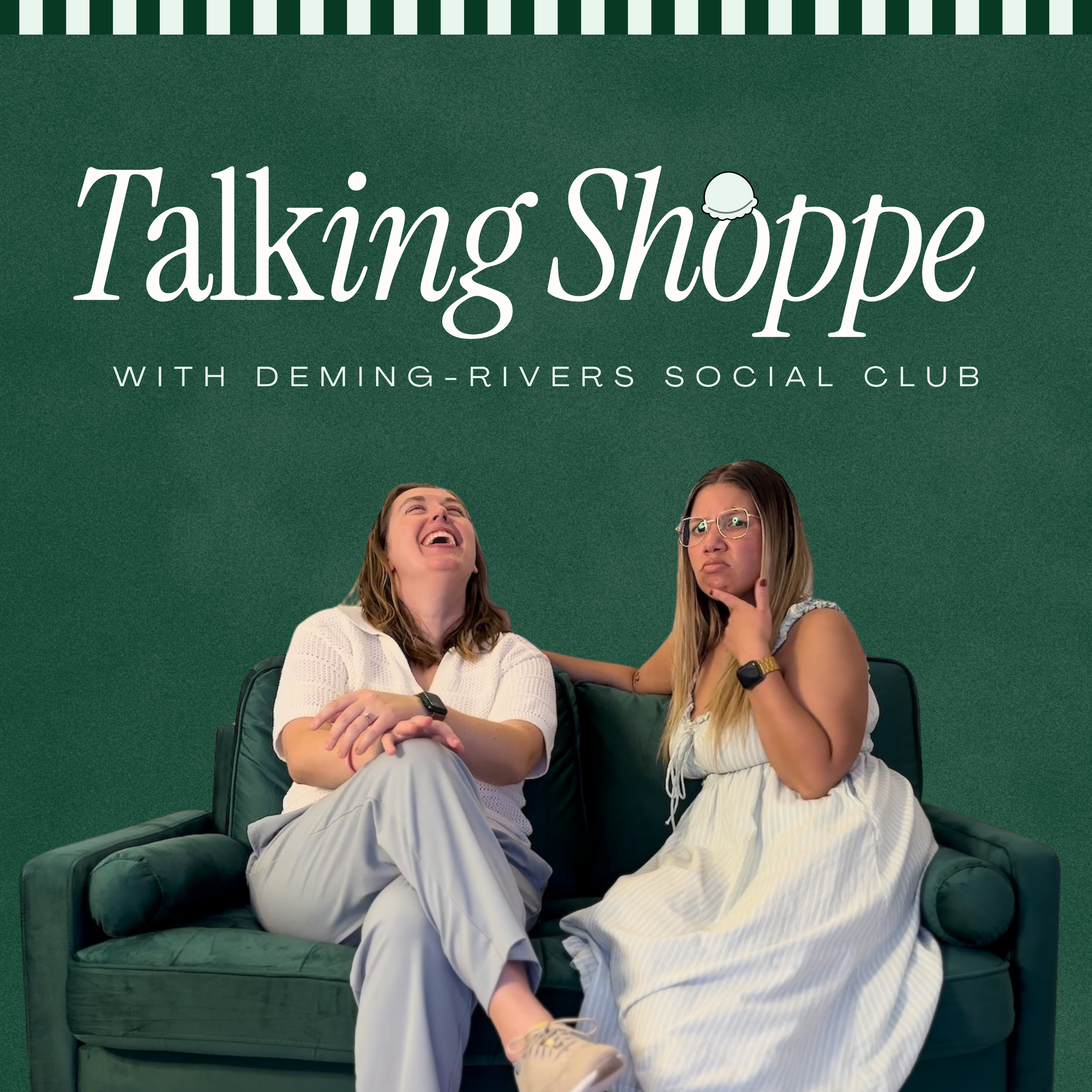
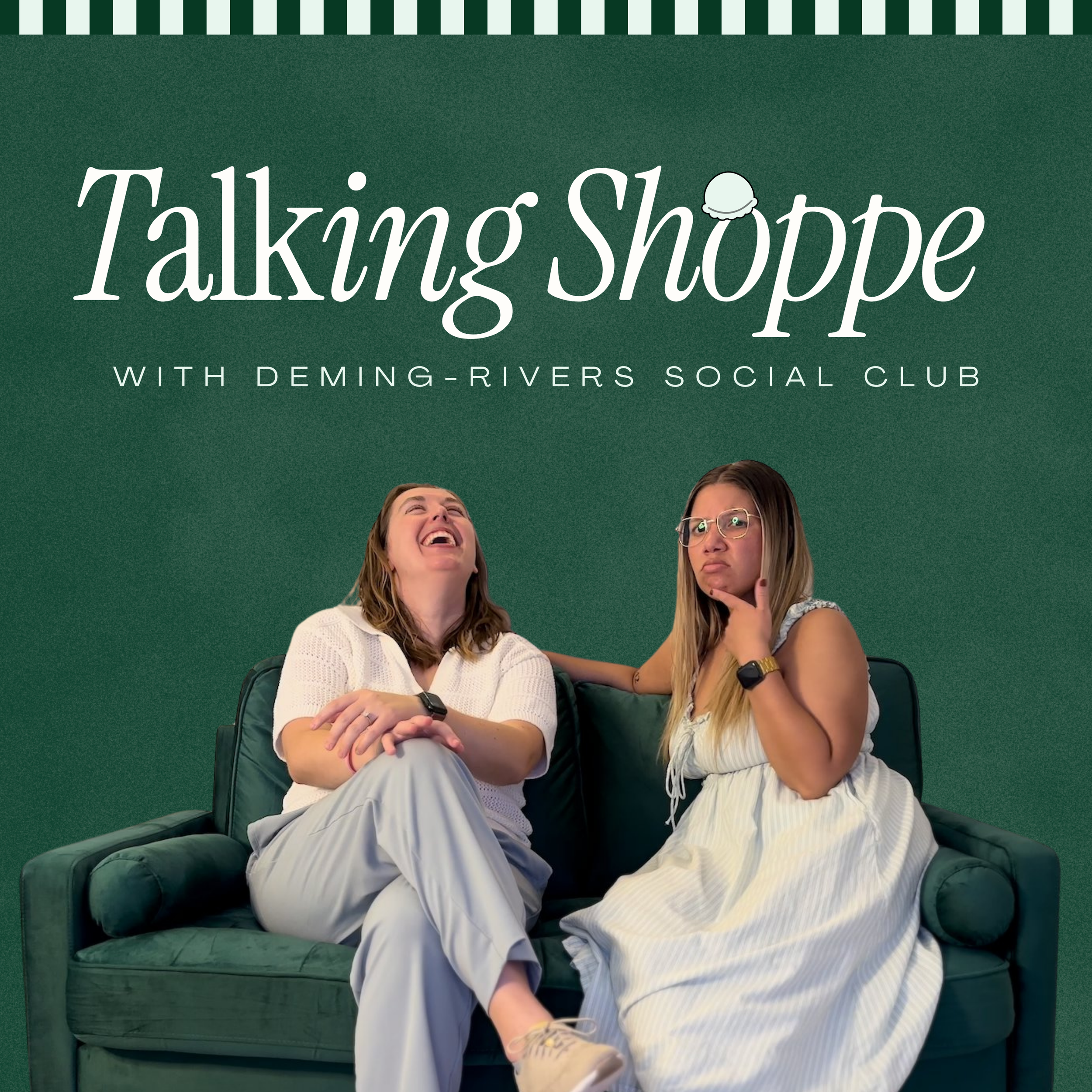
Wait, let us introduce ourselves. We’re Dr.’s Essence and Emily Deming-Rivers.
We aren’t strangers, we’re your neighbors
Deming-Rivers Social Club didn't start as a business plan. It started as a friendship built while doing the kind of work that changes you — shoulder-to-shoulder in a residential facility with teen girls, watching what the system quietly expected everyone to tolerate.
We met in 2021 at Palm Beach County Youth Services. We moved to Sarasota together in 2023. We got married in 2024. And somewhere in that first year — showing up at luncheons, at community events, at the places where this city's relationships actually live — we started to recognize something.
The people holding this community together are carrying more than a human system can bear. And we have no interest in parachuting in with a framework and leaving. We see you at Calusa Brewing. We're at the galas. We're invested in what happens here — because it happens to us too.
We're psychologists. We do therapy half the week. And we know that individual therapy isn't enough for community-level change — which is exactly why we built DRSC.
What People Say
We've got all the flavors. Let's find your scoop.
Not sure yet?
Start with a conversation
Book a free culture strategy call. We'll listen, ask the right questions, and help you figure out what actually makes sense for your org right now — no pitch, no pressure.
Not ready for a call?
Start with a self-audit
We made a free culture self-audit for exactly this moment — when you know something's off but you're not sure what to call it yet. It'll help you name what you're seeing and give you language for the conversation you need to have.