

About Us
This is all about how we’re creating something better, together
omg hi, it's soooo nice to meet you 👋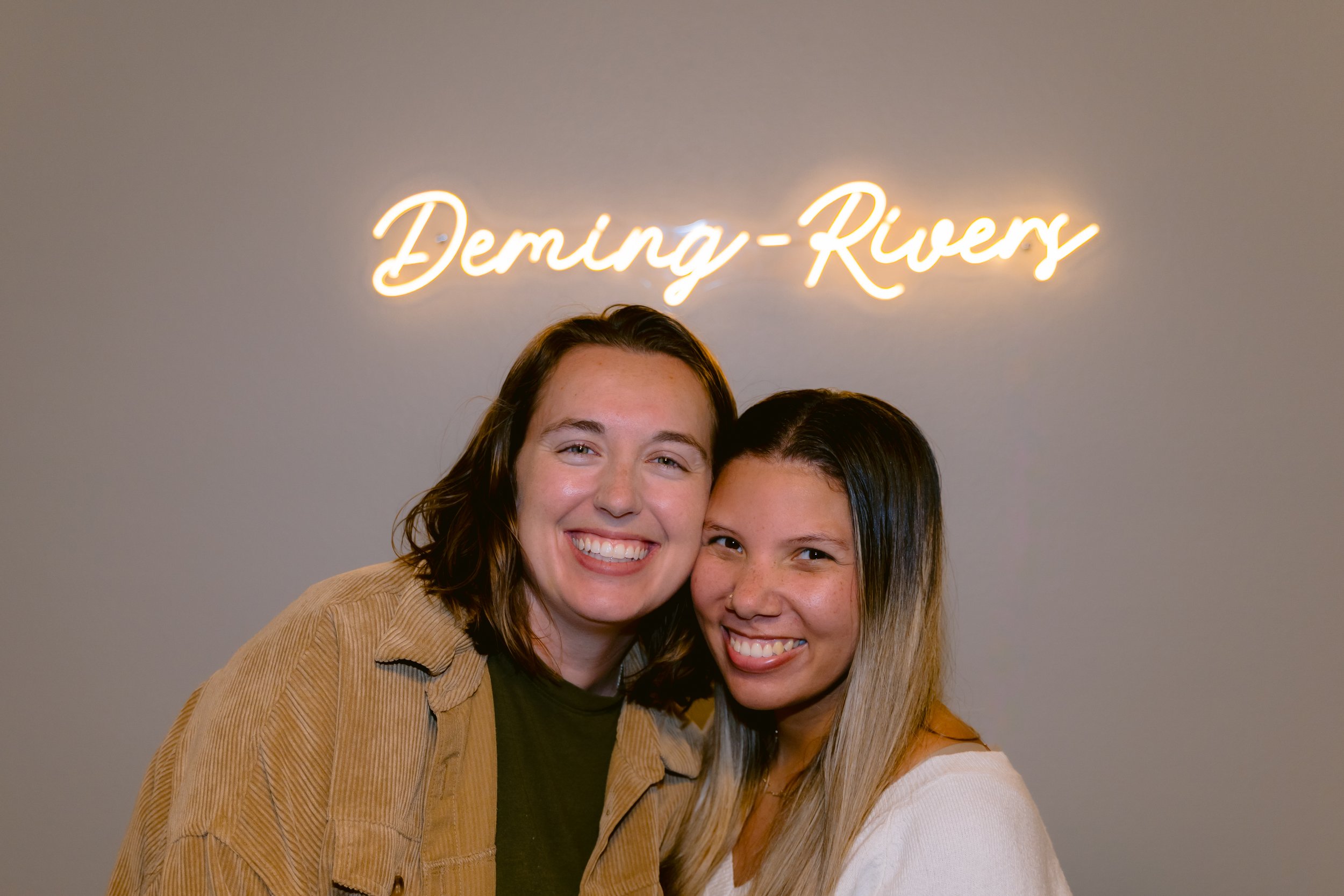
Why trust us with your team's well-being? Because our psychological expertise delivers sweeeeeet results for orgs like yours - who doesn’t want that?
We're not the consultants who waltz in with a deck full of frameworks you'll never use. We're the people who sit in the room with you, notice the thing nobody's saying, and find a way to name it that doesn't make anyone want to run.
We're actually really good at our jobs. We also happen to be warm, a little funny, and genuinely invested in the people and organizations we work with. Those things are not in conflict. In fact, that's exactly the point.
We're psychologists. We do therapy half the week — and the reason we say that is because we're actively doing the work we're talking about. This isn't something we used to do. We're still in it, still taking continuing education, still sitting across from real people every day. We haven't lost the thread of what this actually looks like on the ground, and that matters a lot to us.
This didn't start as a business plan.
It started as a friendship — built shoulder-to-shoulder doing work that changes you.
Meet the humans behind the work.
We're different from each other in all the right ways — and that's kind of the whole point.
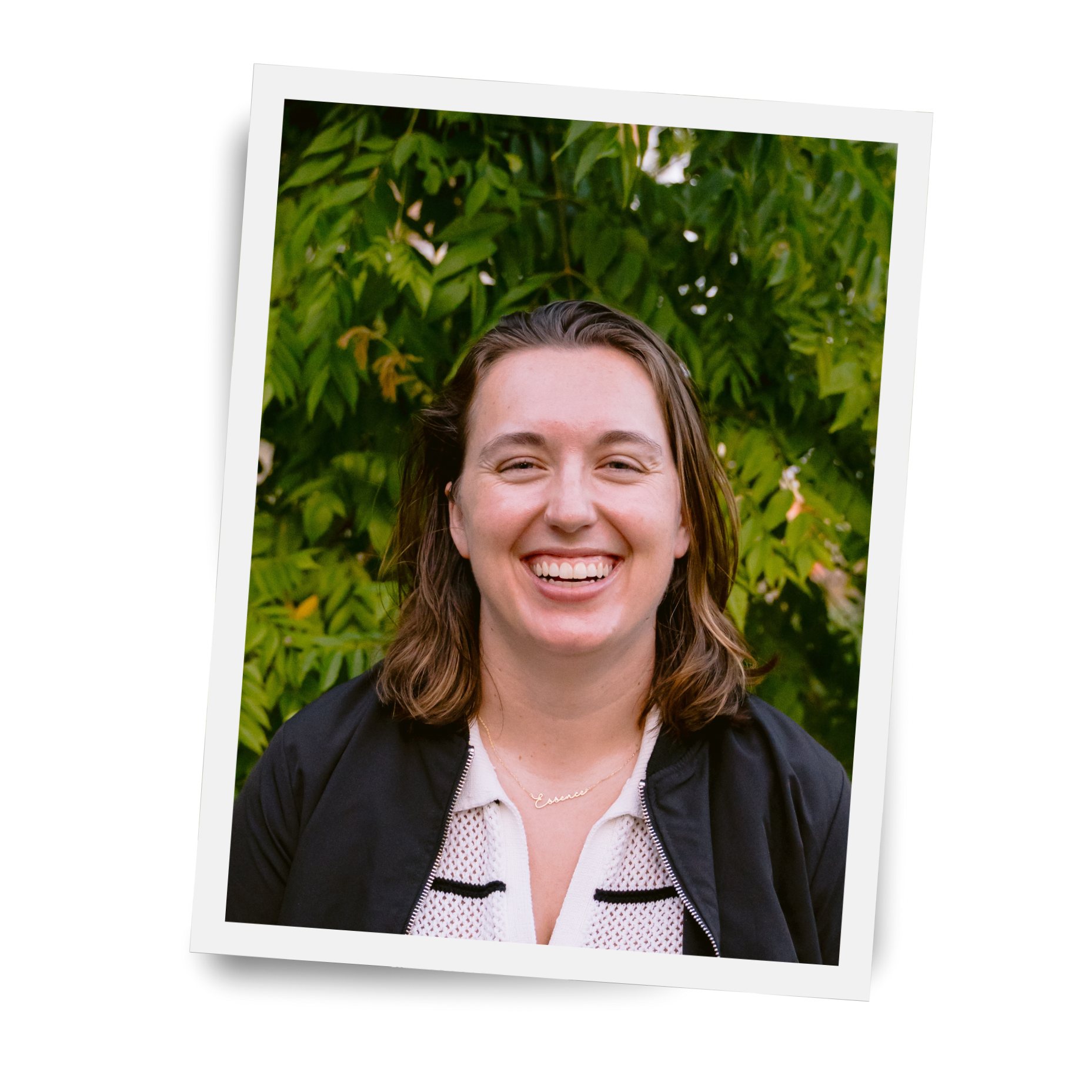
Emily Deming-Rivers, PhD
Emily is the executive functioning of this entire operation and honestly of our relationship too — she's got a PhD in Clinical Child Psychology from West Virginia University, she's a licensed psychologist in Florida, and she's a certified PCIT trainer, which means she's not just doing the work herself but also teaching other clinicians how to do it well. She's an Enneagram 1, an Aries, has dry humor that sneaks up on you, and she speaks with a kind of quiet authority that makes you feel grounded instead of nervous, which is genuinely hard to do.
Her clinical background is behavioral and deeply family-systems focused — she's spent her career working with children, parents, and the spaces between them. She's also the 2024 Sarasota Out Awards "Favorite Therapist," which tells you something about how this community already sees her. She has a strong moral compass and a quiet, consistent protective nature. She knows exactly which rules exist to protect people and which ones exist to protect systems. She'll name the difference, straightforwardly, without drama.
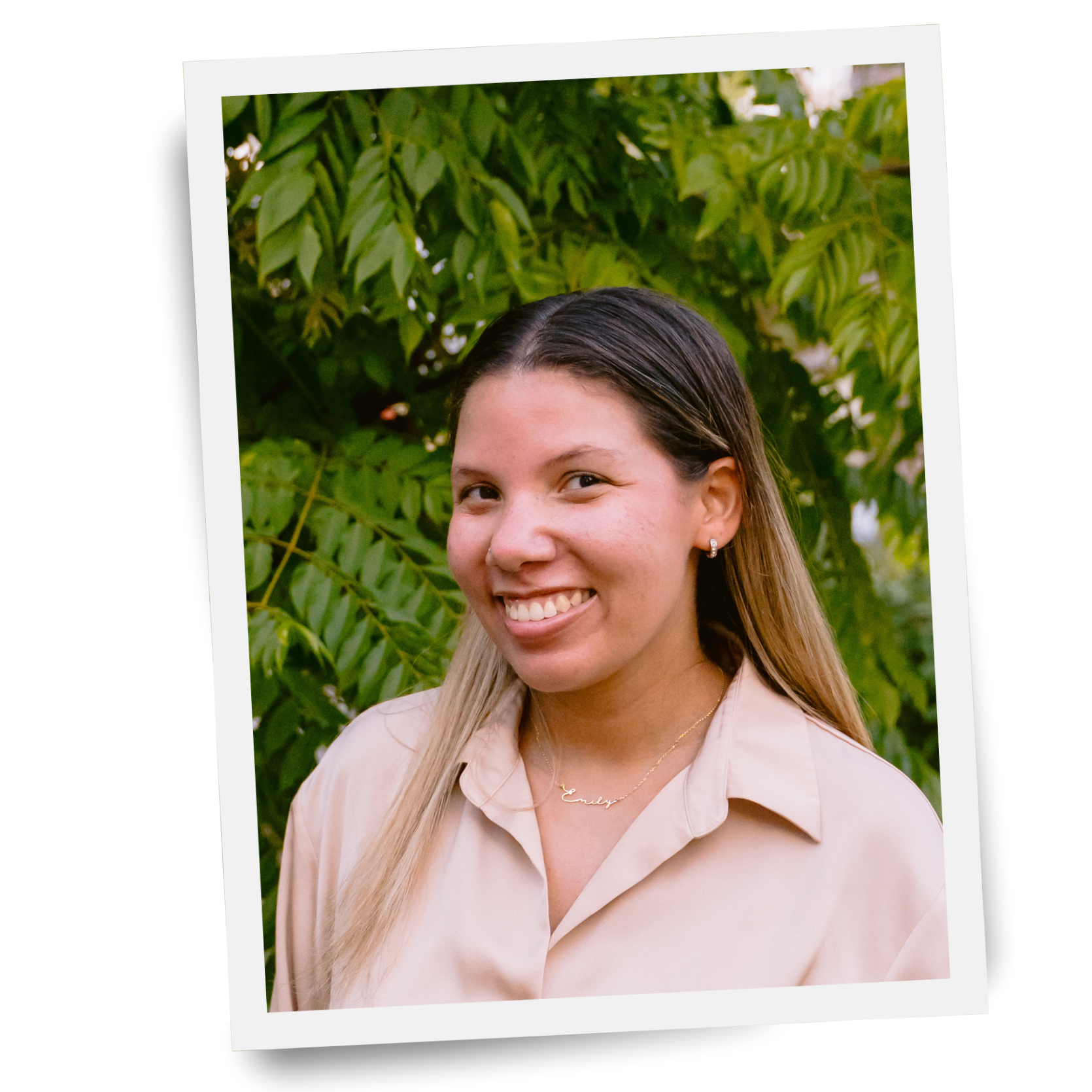
Essence Deming-Rivers, PsyD
Essence is the one who will say the thing you didn't realize needed saying — in a way that's so disarming you almost miss how precisely she just named it. PsyD from Xavier University. Licensed in Florida. 2025 Gulf Coast Leadership Institute. She's been doing this work long enough to have a dissertation on adolescent treatment outcomes and an undergraduate research grant on the psychology of ostracism — which, if you know her, makes complete sense.
She's an Enneagram 9w1, a Taurus, and genuinely creative in a way that means she's the one making the Canva decks and building the frameworks and finding the visual language for things that didn't have one before. As Director of Psychological Services at their therapy practice — a separate thing from DRSC but deeply connected to it — she's the person who can hold a big picture and build toward it at the same time. As a queer, multiracial, neurodivergent woman with ADHD and a chronic illness, she doesn't fit into one box, which means she's really good at thinking intersectionally — and it gives her an angle that changes what's possible in a room.
We can finish each other's sentences, read each other's minds, and take turns telling a story — and it will be completely cohesive because we're just like that. It's not a bit. It's what happens when two people with genuinely complementary wiring decide to build something together.
Emily is the left brain. Essence is the right brain. If there's a problem that needs to be solved and you need someone to take it and get it done — that's Emily. If you need someone to help you think something through, brainstorm, see it from a different angle — that's Essence. And then they come back together and it's actually better than either one of them would've gotten to alone. They approach things so differently that very little falls through the cracks — and what does, Montie usually barks at until they pay attention.
Together, we cover things from all angles.
Fun facts
We wear matching clothes. Unironically. Frequently.
Dessert o'clock is non-negotiable. Every night. We love it and we're not embarrassed.
Reality TV is research. (That's our story and we're sticking to it.)
Montie is our dog and he is extremely important to us and the business culture overall.
We really, really love each other. That's not background detail. It's what makes any of this possible.