
The Scoop
Stewardship is Not Control: Rebuilding the Board-CEO Relationship
After board meetings, the board goes back to their lives. Your CEO goes back to the front lines. If your meetings focus on correcting more than uplifting, the board is no longer a support system—it’s a stressor. Here is how to rebuild the dynamic.

If Trauma-Informed Care Stops at Training, You’re Missing the Impact
Most organizations think they've 'checked the box' on trauma-informed care once the staff training ends. But training is a start, not a solution. Without systemic alignment across leadership and policy, even the best workshops lead to frustration and regression. We’re deconstructing why knowledge often fails to leave the classroom and how to embed trauma-informed principles into every organizational touchpoint—from how you hire to how you handle exits. Real change doesn’t come from sessions; it comes from systems. It’s time to move past the slide deck and start transforming your culture.
February Awareness Months: How to Boost Your Nonprofit’s Culture Capacity Strategically
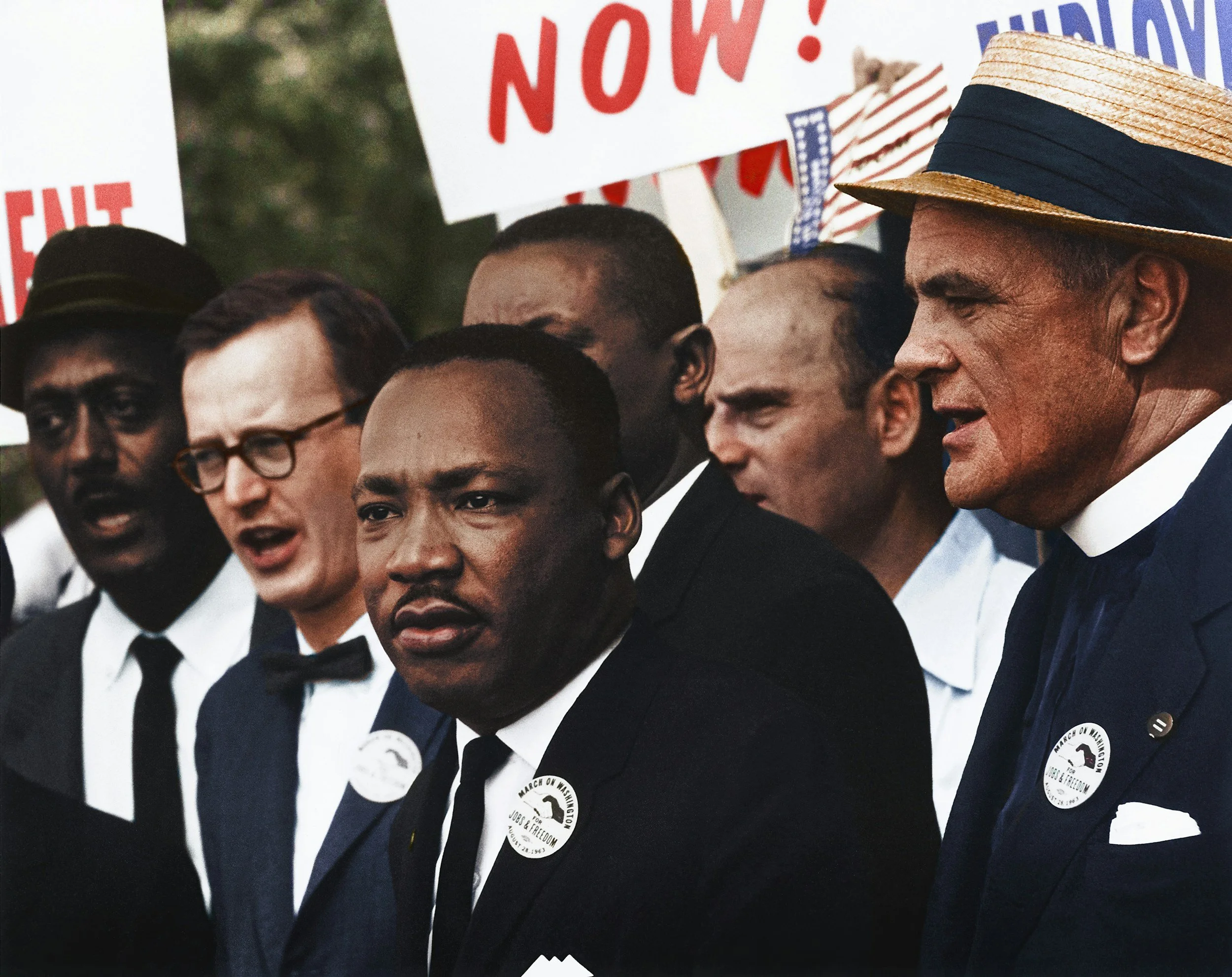
February is a heavy month—packed with the weight of Black History, the fragility of heart health, and the ongoing work of ethnic equality. But awareness days shouldn't just be additions to your to-do list; they should be mirrors for your organization's health. We’re breaking down how to move from performative recognition to strategic application using the Culture Capacity Framework. Discover how to audit your systems for accessibility, normalize health vulnerability, and ensure that 'inclusion' is a lived skillset, not just a LinkedIn post. Because culture isn’t what’s in your mission statement—it’s what your people feel when life happens.

How Nonprofits and Churches Can Combat Authoritarianism: A Practical Guide for Faith and Service Leaders
Authoritarian movements don't succeed through force alone; they succeed by co-opting trusted institutions to do their sorting and reporting. As a nonprofit or faith leader, your organization is either a firewall or a gateway. We’re providing a practical roadmap for institutional resistance—from establishing data sovereignty to building a 'shadow safety net.' Drawing on historical lessons of moral refusal, this guide empowers leaders to move past silence and take concrete steps to protect the communities they serve. Because when an entire community says 'no,' the state cannot govern.
The Sarasota County School Board Just Gave Us a Perfect Example of How NOT to Lead
On January 20, 2026, the Sarasota County School Board voted to affirm cooperation with ICE—a move leaders called 'ceremonial' but research calls 'catastrophic.' Leadership isn't about making political statements; it’s about creating the conditions where those you lead can thrive. We’re using our Culture Capacity Framework to audit this decision, exploring the data-backed ripple effects that occur when fear enters the classroom. From plummeting test scores to teacher burnout, find out why this resolution is a masterclass in how NOT to lead, and what it truly costs a community when trust is traded for theater.
When Being “Good” Is Actually a Cover for Chaos: Moral Scrupulosity at Work
In many offices, the person who triple-checks every email or panics over a one-minute delay is labeled 'conscientious' or 'rigorous.' But what if that 'good' behavior is actually a cover for chaos? For those navigating moral scrupulosity, outwardly productive habits are often attempts to manage unbearable internal anxiety. We’re deconstructing the 'rigidity trap' and exploring why a culture of perfectionism often fuels psychological distress. Learn how leaders can stop praising rigid compliance and start building the psychological safety that allows high-performers to be both good and well.
The Emotional Labor Tab You’re Not Paying For (Yet)
The tab for emotional labor is never distributed randomly. It tends to fall on those already navigating the most friction within the system. When we praise someone for their 'natural emotional intelligence,' we are often mislabeling a survival skillset developed in response to systemic exclusion. True equity requires naming this labor and ensuring it is compensated with money, time, and decision-making power.
Trauma-Informed ≠ Accountability-Exempt
In mission-driven work, 'trauma-informed' is often used as a synonym for 'avoiding conflict.' But true care requires accountability. Safety isn't a vibe or a wellness webinar—it’s a predictable system where people can make mistakes, set boundaries, and offer feedback without fear of retribution. We’re deconstructing the myths of 'soft' leadership to show why structure is the highest form of care. If your team is staying quiet to stay safe, you don't have an engagement problem; you have a structural one. It’s time to audit your culture and ask the questions that actually get real answers.
When Safety Is Just a Word: What Your Team Actually Needs to Feel Safe
Safety is a system, not a vibe. When leaders say 'everyone is safe here' without the structures to back it up, they create a 'buzzword' culture. We provide a comprehensive audit to help you look past surface-level happiness and identify the systemic gaps where your team is quietly self-protecting instead of innovating.
Psychological Safety Takes Time—But It Can’t Be Left to Chance
New data suggests that psychological safety is a long-term investment, often taking two full years to reach peak levels. This post analyzes the 2024 Fearless Organization Scan to show why the first 12 months are the most critical for employee retention and how leaders can 'bridge the safety gap' for new hires before they disengage.
Building Psychological Safety (without making your team cringe)
Culture isn't built on posters; it's built in the unscripted moments of leadership. To build true psychological safety, leaders must move beyond 'declaring' safety and start demonstrating it. We outline four high-impact behaviors that signal safety to a team's nervous system, allowing for a transition from quiet compliance to active contribution.
Why Psychological Safety is the #1 Predictor of Team Effectiveness
In 2012, Google’s Project Aristotle revealed a startling truth: the most successful teams weren't defined by individual IQ or seniority, but by psychological safety. This post examines that data through the lens of mission-driven organizations, proving that safety is not a 'soft skill' but a core performance strategy for any effective system.
Psychological Safety: What It Is (And Why It’s Not About Being ‘Nice’)
Psychological safety is the most misunderstood term in modern leadership. It is not about comfort, politeness, or lowering standards; it is about the ability to take interpersonal risks without fear of retribution. We clarify what psychological safety really means and, more importantly, what it doesn't, providing a clear distinction between a 'polite' culture and a 'safe' one.
Why No One’s Speaking Up (And Why It’s Not About Apathy)
Silence in meetings is often misdiagnosed as a lack of engagement, but in reality, it is a strategic survival mechanism. When the perceived risk of speaking up outweighs the benefit, even the most passionate employees will choose self-protection. This post deconstructs the 'apathy myth' and provides a framework for leaders to identify the specific cultural barriers silencing their teams.
Stay in the loop